
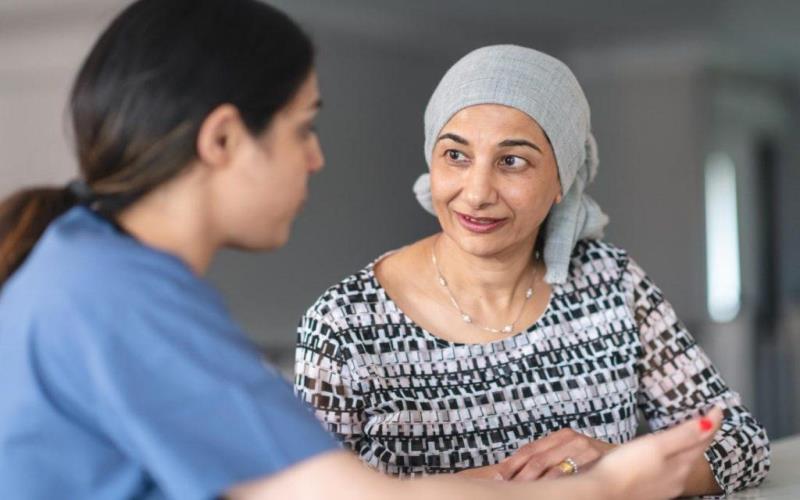
Recovering from cancer can be an emotional and physical challenge. Whether you are in remission or just starting the recovery process, taking proactive steps can help you regain strength, improve mental health, and enhance your overall well-being. Below are 15 practical tips to help you navigate the road to recovery.
1. Stay Informed About Your Healthcare Options
Understanding your healthcare options is crucial during recovery. This includes knowing what types of insurance can help cover your treatments and post-treatment care. For example, comparing Medicare Advantage Plans 2025 comparison can help you find the right plan that fits your healthcare needs.
2. Listen to Your Body
Recovery can be unpredictable, and it’s important to listen to your body. Rest when you need to, and avoid pushing yourself too hard too soon. Fatigue is common during cancer recovery, so balance activity with plenty of rest.
3. Keep Communication Open
Open communication with your healthcare providers, family, and friends is key. They can provide you with the emotional support and medical guidance you need as you recover. Let them know if you’re struggling or need help.
4. Prioritize Nutrition
Eating a balanced diet rich in fruits, vegetables, lean proteins, and whole grains will provide the nutrients your body needs to heal. Additionally, you might consider adding Amazon resveratrol supplements to your routine for their potential health benefits. Consult a nutritionist to create a meal plan tailored to your recovery needs.
5. Exercise Regularly (When Approved)
Light exercises such as walking, yoga, or stretching or even light cycling on an e bicyle can be beneficial during recovery. Always consult your doctor before starting any physical activity to ensure it’s safe for your current condition.
6. Manage Your Mental Health
Dealing with the emotional aftermath of cancer is just as important as the physical aspect. Consider speaking with a counselor or joining a support group to help manage anxiety, depression, or stress during recovery.
7. Stay Hydrated
Proper hydration aids in the healing process and keeps your body functioning efficiently. Drink plenty of water throughout the day, especially if you’re undergoing treatments that may dehydrate you.
8. Set Realistic Goals
Recovery is a journey, and it’s important to set small, realistic goals for yourself. Whether it’s walking for five minutes a day or reading a book, celebrating these small victories can motivate you to keep going.
9. Accept Support
Allow family, friends, and caregivers to assist you during your recovery. Whether it’s helping with household chores or simply being there to listen, accepting support can lighten your load.
10. Monitor Your Progress
Keep track of your recovery progress. This can help you identify patterns, setbacks, or improvements, which you can share with your healthcare team. It also serves as a reminder of how far you’ve come.
11. Stay Positive
Staying positive during cancer recovery is easier said than done, but maintaining a hopeful outlook can significantly impact your well-being. Surround yourself with uplifting people and engage in activities that bring you joy.
12. Educate Yourself About Side Effects
Be aware of the possible side effects of your treatments and recovery process. Knowledge helps you prepare for challenges and allows you to seek timely medical intervention when needed.
13. Practice Self-Care
Make time for self-care activities like meditation, deep breathing exercises, or taking a warm bath. These simple acts can improve your mental health and aid your physical recovery.
14. Avoid Overexertion
Pace yourself. Overexerting during the recovery phase can lead to setbacks. Balance your activities and allow for sufficient rest periods throughout the day.
15. Celebrate Milestones
No matter how small, celebrate every milestone in your recovery journey. Each day you’re moving forward, so take time to acknowledge and appreciate the progress you’ve made.
Conclusion
Cancer recovery is a challenging and unique experience for everyone. By following these tips, you can create a more manageable and fulfilling recovery process. Stay informed, take care of your physical and mental health, and most importantly, give yourself the time and space to heal. Every step forward is a victory!