
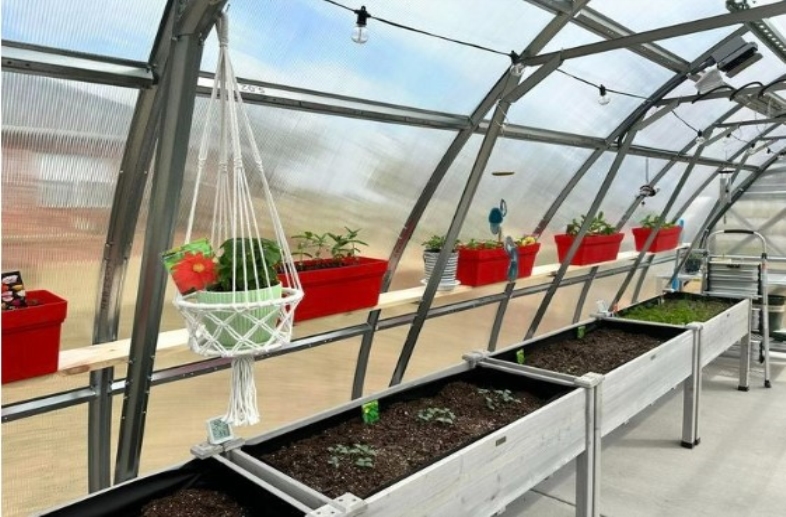
Just saw a greenhouse gardening beginner post a picture of his room cluttered with pots filled with climbing plants and flowers. Absolutely appreciate the enthusiasm, but there are basics to owning and growing a greenhouse.
When organizing a greenhouse, maintaining a pest-free environment is essential to protecting your plants and ensuring healthy growth. Regular monitoring and early detection of pests can prevent larger infestations from taking hold. If you’re dealing with persistent pest issues, professional pest control overland park services offer targeted solutions to keep your greenhouse thriving and safeguard your plants from unwanted invaders.
I remember when I first got my greenhouse – it was like Christmas morning, except I had no idea what to do with all my new toys.
If you’re staring at your greenhouse wondering where to start, don’t worry. I’ve been there, done that, and now I’m here to share some hard-earned wisdom with you in less than a thousand words.
9 Tips for Organizing Your Greenhouse
1. Divide into Zones:
Imagine your greenhouse with no distinct demarcation, and all kinds of plants growing next to each other, as well as with the supplies. It’d be a whole mess. Creating distinct zones will help you manage what goes on within the greenhouse.
- Allocate an area for growing plants, and there you’ll place benches and tables for potting and transplanting.
- Then, set out a different space for your tools, pots and supplies. You can use shelves or storage boxes to keep them organized.
- Finally, set up a workplace so you can sow seeds, repot plants, or any other tasks.
If you do all this, you will prevent clutter and streamline productivity.
2. Maximize Vertical Space:
There’s so much more space off the ground, than on it. And you can take advantage of that in decluttering your greenhouse. You can do this in various ways:
- Install shelves along the walls to place seedlings, potted plants, and gardening supplies.
- Get some overhead rails to hang baskets, tools, and lightweight containers.
Storing more items on vertical spaces will clear up more pathways and allow better air circulation.
3. Use Storage Boxes:
Storage boxes are a lifesaver if you think about it. All you have to do is throw in a bunch of related items and labels, so next time you know where to look.
Using transparent storage boxes will make it easy for you to label for identification because, let’s face it, out of sight means out of mind in the gardening world. You can store seeds, labels, tools, and other small gardening essentials in such boxes.
4. Clear Labeling:
Storing in boxes for better organization but forgetting to plaster clear, correct labels on would just be a waste of effort. You have to label everything from the plants, soil types, and even fertilizers. If it exists in your greenhouse, slap a label on it.
5. Set up a Dedicated Watering Area:
Something I wish someone had told me earlier is to set up a dedicated watering area for my greenhouse. It would streamline the process and ensure your plants are consistently watered. And it’s quite easy to implement.
Choose a source that’s convenient. It could be near the entrance or just within reach. There should be a hose or watering can, and a sturdy table to place the plants while watering. Arrange your tools neatly in a place nearby.
Dedicating an area for watering will prevent water spills, keep tools organized and encourage regular plant care.
5. Set up Pest Management:
Setting up a pest management station is essential for every greenhouse. Keep your organic sprays, beneficial insects (like ladybugs and lacewings), sticky traps, and whatever else you use to combat those little invaders in one spot. It’s like having a mini armory for your plant battles to minimize damage and ensure robust plant growth.
6. Invest in a Potting Bench:
You need to get a potting bench. But not just any; You need one that’s sturdy for repotting, seed starting, and soil mixing.
7. Group Plants by Water and Light Needs:
Grouping plants by water and light needs will ensure optimal care of your crops as you know how much water/light a particular group needs, rather than zigzagging round the greenhouse trying to feed each crop the optimal amount of light and water.
- To do this, you’ll have to understand the specific water and light needs of each plant species in your greenhouse.
- Then create separate areas within your greenhouse for different light conditions.
- Same thing for water; plants with similar water needs should be placed together in a greenhouse display benches.
This way, you’ll reduce the risk of over watering or under watering your plants.
8. Use Cardboard for Weed Management:
Finally a great way to reuse those Amazon bixes. Cardboard acts as a natural barrier the way it remains moisture while preventing weed growth. It’s an effective and eco-friendly way to control weeds in your greenhouse and it’s quite easy to implement.
- Get out flattened cardboard boxes or sheets
- Place the cardboard on the floor of the greenhouse to cover areas where you want to suppress weeds.
- Overlap the cardboard so you can cover the floor entirely with no sneaking creaks.
- Spreading organic mulch on the cardboard would act as a second moisture retention layer.
In conclusion, you should remember that organizing your greenhouse isn’t a one-and-done deal. It’s an ongoing process, like tending to your plants. You’ll tweak, adjust, and sometimes completely overhaul your system. And that’s okay! It’s all part of the journey. With these tips, you can turn your greenhouse from a cluttered backyard mini-forest into a well-oiled, plant-growing machine.