
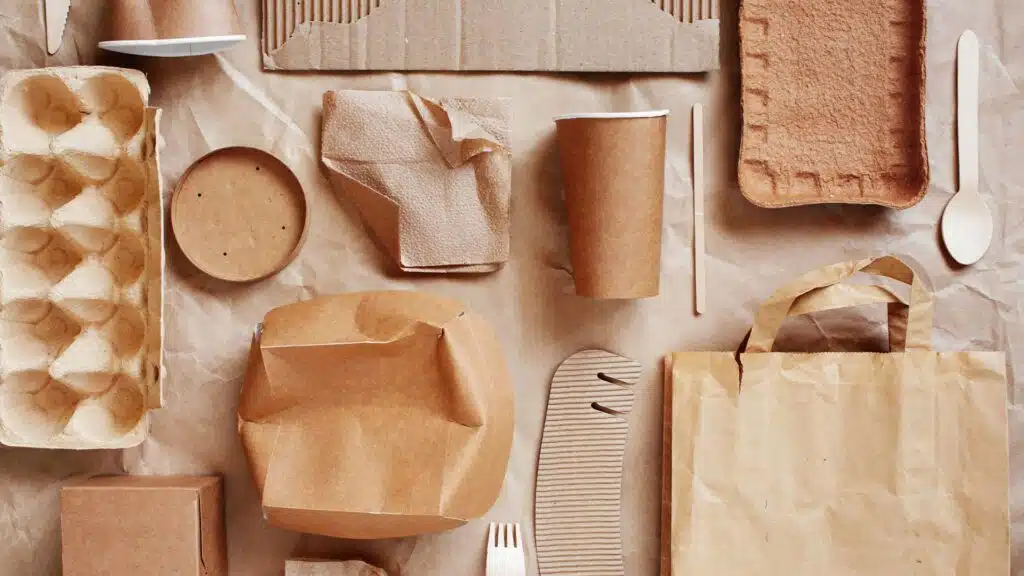
Selecting the right food packaging is pivotal to the success of any food-related business. The packaging serves multiple roles, from preserving the quality of the product to attracting consumers with eye-catching designs. However, with so many choices available, how do you ensure you’re making the best decision for your business? Here are several key considerations to guide you through the selection process.
1. Understand Your Product’s Needs
The very first step in selecting the right food packaging is understanding the specific requirements of your product. Is it perishable? Does it require refrigeration? Understanding these factors will help you choose materials and designs that protect the integrity of the food.
2. Material Matters
The material used in food packaging is crucial for ensuring food safety and longevity. Common materials include plastic, glass, metal, and paper. Each of these materials has unique properties:
- Plastic: Lightweight, versatile, and durable but can pose environmental concerns.
- Glass: Non-reactive and preserve the taste but heavy and breakable.
- Metal: Great for keeping out contaminants but may react with certain foods.
- Paper: Biodegradable and eco-friendly but may not offer utmost protection from moisture.
Select a material that strikes the best balance between functionality and sustainability for your business needs.
3. Consider Environmental Impact
Today’s consumers are increasingly eco-conscious, and businesses are expected to align with sustainable practices. Opting for biodegradable, recyclable, or reusable packaging materials can not only appeal to this demographic but also contribute positively to the environment.
4. Assess the Cost
Budget is always a critical consideration. While it might be tempting to go for the cheapest option, remember that the quality of packaging can directly affect your product’s reputation and shelf life. Determine a budget that allows for quality packaging without compromising on essential features.
5. Functional Design
Great packaging should ideally be user-friendly. Consider elements like resealability, ease of opening, and how the design enhances the product’s usability. Functional design can significantly improve the consumer experience and build brand loyalty.
6. Branding and Aesthetic Appeal
Your packaging is often the first interaction a consumer has with your product. Hence, it should reflect your brand identity effectively. Use colours, fonts, and images that align with your brand message. Packaging design plays a crucial role in attracting consumers and differentiating your products from competitors.
7. Compliance and Regulations
Ensuring your packaging complies with food safety regulations and standards is non-negotiable. Different regions have different requirements, so it’s essential to be informed about the regulations relevant to your market to avoid legal issues.
8. Test Before You Commit
Before fully committing to a particular type of packaging, it’s advisable to run samples and conduct market tests. This helps to identify any potential issues and gather consumer feedback, thereby enabling you to make necessary adjustments.
9. Stay Updated with Trends
The food packaging industry is continually evolving, with new materials, technologies, and trends emerging regularly. Staying updated with these changes can provide you with innovative, efficient, and cost-effective packaging solutions.
Selecting the right food packaging for your business involves careful consideration of various factors including material, cost, design, sustainability, and compliance. Although finding the perfect solution might require some research and experimentation, the right packaging can enormously benefit your business by enhancing product quality, appeal, and consumer satisfaction.