
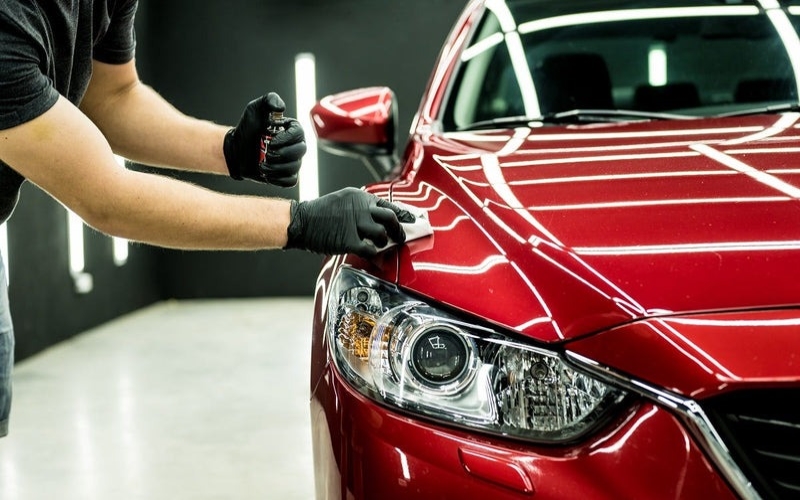
When it comes to car care, the allure of a showroom shine is undeniably appealing. Not only does it enhance your vehicle’s aesthetics, but it also reflects your commitment to quality and maintenance. Whether you’re a proud car enthusiast preparing for a show or simply someone who desires to keep their vehicle looking its best, mastering the art of car detailing is essential. This guide will delve into 13 practical tips that will help you prepare your car for that enviable, glossy finish. With an emphasis on self-service options, you can achieve professional results without breaking the bank. Get ready to transform your car into a stunning spectacle that stands out on the road!
1. Exterior Cleaning Tips
The first step to achieving a showroom shine is a thorough exterior wash. To begin, consider utilizing a dedicated car and dog wash facility that offers high-pressure hoses specifically designed for effective cleaning. These facilities typically have multiple wash stations equipped with powerful jets that can quickly dislodge dirt and grime from your vehicle’s surface. Start your cleaning process from the top of the car, following a systematic approach downwards. This helps prevent dirty water and residue from dripping onto areas you’ve already cleaned, ensuring a more efficient wash.
When washing, use pH-balanced car soap that is safe for your vehicle’s paint. Apply the soap using a soft wash mitt to avoid scratches or swirl marks. Take special care to tackle hard-to-reach areas such as the wheel wells, undercarriage, and around the bumpers, as these spots often collect excessive grime. Rinse the car thoroughly, ensuring that all soap residues are removed, as leftover soap can create streaks and diminish the shine. Remember, the goal is to lay a clean foundation for the subsequent stages of detailing that will ultimately enhance your car’s allure.
2. Interior Cleaning Guide
Keeping the interior of your vehicle clean is just as important as maintaining the exterior, especially for pet owners who face unique challenges with fur and odors. Start by using a high-powered vacuum to thoroughly remove pet hair from the seats and carpets. Opt for a vacuum with a pet hair attachment or a specialized nozzle designed for picking up stubborn fur, as this will ensure you don’t leave any behind. For best results, focus on the crevices and seams where hair tends to accumulate, making sure to get under the seats and in difficult-to-reach areas.
Once you’ve vacuumed up the hair, it’s time to tackle any stains or lingering odors. Use a fabric cleaner that is safe for your car’s upholstery. Spray the cleaner on the stained areas and allow it to sit for a few moments to penetrate the fabric. Then, gently scrub the area with a soft brush or cloth to lift the stains away. Afterward, wipe down surfaces with a damp cloth to remove any remaining cleaner and dirt, ensuring that all residues are eliminated.
To ensure a fresh-smelling interior, consider using an odor neutralizer or an air freshener specifically designed for automotive use. Placing the air freshener in a discreet spot, like under the front seats or in cup holders, can help maintain a pleasant scent without overwhelming the space. Regular interior cleaning will not only keep your vehicle looking pristine but also enhance your overall driving experience.
3. Engine Bay and Undercarriage Care
To achieve a truly comprehensive clean, don’t forget the engine bay and undercarriage. These areas often accumulate grime, oil, and dirt over time, which can affect both the performance and aesthetics of your vehicle. Begin by ensuring the engine is cool to avoid any burns or damage. Cover sensitive components such as the alternator, air intake, and sensors using plastic bags or cling film to prevent water from getting in.
Next, apply a degreaser specifically formulated for automotive use to the dirty parts of the engine bay and undercarriage. Spray the degreaser generously, paying special attention to areas with built-up grease and grime. Allow it to sit for a few minutes to penetrate the dirt, but don’t let it dry out. After the degreaser has done its job, use a stiff brush or a cloth to scrub away any stubborn stains, making sure not to leave any residue behind.
Once the scrubbing is complete, rinse the areas with water, using a hose or pressure washer, while ensuring that you don’t directly spray sensitive components that may be covered. For hard-to-reach spots, a detailing brush can be particularly useful. After rinsing, dry the engine bay with a clean cloth or chamois to prevent water spots and corrosion.
For the undercarriage, a thorough rinse is essential to remove any lingering dirt and road salt, especially in regions where roads are treated during winter. An undercarriage spray nozzle can be beneficial for reaching all areas effectively. Finally, consult your car’s manual for any specific precautions regarding cleaning products or methods safe for your vehicle. Regular maintenance of the engine bay and undercarriage not only enhances the look of your car but also helps in preventing corrosion and mechanical issues over time.
4. Proper Drying Techniques
After washing your car, employing the correct drying techniques is essential to prevent water spots and maintain that showroom shine. Start by using a clean, soft microfiber towel or a high-velocity blower to gently remove excess water from all surfaces, including the bodywork, windows, and wheels. Microfiber towels are particularly effective because they trap dirt and absorb moisture without scratching the paint. Avoid the temptation to air-dry, as this can lead to unsightly marks caused by minerals in the water evaporating and leaving spots behind. For the best results, dry the vehicle in a shaded area to minimize the chances of water quickly evaporating and leaving residue.
5. Choosing the Right Products and Tools
Your choice of cleaning products and tools can significantly enhance or hinder the car cleaning process. It is crucial to select high-quality shampoos, waxes, and polishes specifically formulated for automotive care, as these products are designed to be gentle on your vehicle’s surfaces while effectively removing dirt and providing protection. When it comes to applicators, a good set of microfiber towels can ensure that you wipe and polish your car without introducing scratches. Additionally, investing in various brushes is beneficial for targeting hard-to-reach areas, such as wheels and vents, to ensure a thorough clean. Proper tools not only make the cleaning process more efficient but also contribute to the overall appearance and longevity of your vehicle’s finish.
6. Creating a Cleaning Schedule
Consistency is key to maintaining a showroom shine for your vehicle, and developing a cleaning schedule that suits your lifestyle can make all the difference. Begin by assessing how often you typically use your car and the environment it is exposed to. For instance, if you frequently drive in urban areas with heavy pollution or dirt roads, a weekly wash may be necessary to combat the accumulation of grime. Conversely, if your vehicle primarily resides in a garage and is only used for short, occasional trips, a bi-weekly or monthly deep clean may suffice.
In your schedule, include regular tasks such as washing, waxing, and interior cleaning. Using a calendar app or a physical planner can help you set reminders so that these tasks don’t get overlooked. It’s also a good idea to consider seasonal factors—during the winter months, applying a protective wax can help guard against salt and moisture, while spring might be the perfect time for a thorough detailing after months of harsh weather. Additionally, setting aside time for deep cleaning every few months will help you maintain those hard-to-reach areas and keep your car’s interior pristine. By sticking to a routine, not only will your vehicle always look its best, but it will also retain its value over time, making your investment worthwhile.
7. Eco-Friendly Car Washing
Being environmentally conscious while washing your car is easier than you think and can significantly reduce your ecological footprint. Begin by selecting biodegradable soaps specifically designed for automotive use. These products break down naturally in the environment and are less harmful to aquatic life compared to conventional soaps laden with harsh chemicals.
Another key strategy is to limit water usage. One effective approach is to opt for a waterless wash whenever possible. Waterless car wash products utilize advanced cleaning agents that lift dirt and grime without the need for rinsing, thus conserving a significant amount of water. If you do opt for traditional washing methods, try to wash your car in a designated area that can redirect water runoff to a proper drainage system, rather than allowing it to flow directly into storm drains that may lead to natural bodies of water.
Additionally, consider using a two-bucket system: one bucket for soapy water and the other for rinsing your sponge or wash mitt. This limits the amount of water you waste while ensuring that the cleaning process remains effective. Remember to also wash your car on grass or gravel, which can help filter pollutants and absorb excess water. Lastly, drying your vehicle with a microfiber towel not only prevents water spots but also helps in reducing the need for additional washes. By incorporating these eco-friendly practices into your cleaning routine, you can keep your vehicle looking great while also being mindful of the environment.
8. The Importance of Regular Car Washing for Pet Owners
Pet owners face distinct challenges in maintaining the cleanliness of their vehicles. Regular car washing is crucial for several reasons, the foremost being the removal of pet dander and hair, which can accumulate rapidly, impacting both the aesthetic appeal and fragrance of the car’s interior. Over time, pet hair can become embedded in upholstery and carpets, making it increasingly difficult to clean and leading to unpleasant odors that can linger long after the pet has left the vehicle.
Incorporating a routine washing schedule can help mitigate these issues significantly. Many car wash facilities now offer car wash and dog wash services together, allowing pet owners to efficiently address both their vehicle and their furry companions at the same time. These facilities often feature specially designed washing stations equipped with gentle, pet-safe shampoos that help remove dirt and odor from pets while also providing convenience for their owners.
It is also beneficial for pet owners to employ additional cleaning techniques so that they can keep their cars in top condition. Using a vacuum with a pet hair attachment can make it easier to collect loose hair from seats and floors in between washings. Furthermore, consider using protective seat covers that can be easily removed and washed, thus minimizing the overall cleanup effort. By making regular car washing a priority, pet owners can ensure a healthier, more pleasant environment in their vehicles for both themselves and their beloved pets.
9. Common Mistakes to Avoid During the Cleaning Process
Avoiding common mistakes can save you time and protect your car’s finish during the cleaning process. One significant error many make is washing their car in direct sunlight. When vehicles are exposed to the sun, the heat can cause soap and water to evaporate too quickly, leading to unsightly spots or streaks on the surface. It is best to wash your car in the shade or during the cooler parts of the day, such as early morning or late afternoon, to ensure that the cleaning products have adequate time to work effectively.
Another common mistake is the use of household detergents when washing your vehicle. While these products are designed for heavy-duty cleaning, they often contain harsh chemicals that can strip away the protective wax coating and damage the paint. Instead, it is vital to use a car-specific soap that is formulated to be gentle on the paint while effectively removing dirt and grime. This not only preserves the finish but also enhances the longevity of your vehicle’s appearance. By being mindful of these common pitfalls, you can maintain both the cleanliness and integrity of your car, ensuring it remains a welcoming space for you and your pets.
10. How to Clean and Maintain Your Car’s Paint
Maintaining your car’s paint goes beyond regular washing; it requires a commitment to ensuring that the finish remains flawless and protected. One effective method to achieve this is by using a clay bar. This product is designed to remove embedded contaminants such as tree sap, industrial fallout, and stubborn dirt that regular washing may not eliminate. To use a clay bar, simply spray a lubricant over a small section of the vehicle’s surface and gently glide the clay bar back and forth until the surface feels smooth. This process not only cleans but also prepares the paint for further protection.
After the clay bar treatment, the next essential step is to apply a quality wax or sealant. Wax provides a protective layer over the paint, helping to shield it from environmental damage, UV rays, and occasional scratches. Choose a high-quality car wax that matches your vehicle’s paint type for optimal results. For a longer-lasting protection, you might opt for a synthetic sealant, which can provide durability that surpasses traditional wax. Regular application of these protective products will not only keep your car’s paint looking glossy and new but also add a barrier against harsh elements, ultimately preserving its value and appearance for years to come.
11. Ensuring the Cleanliness and Safety of Your Dog During Car Cleaning
When utilizing a car and dog wash facility, it’s essential to prioritize your dog’s comfort and safety throughout the cleaning process. Start by ensuring that your dog is well-hydrated before heading to the facility, as the excitement of a new environment can lead to anxiety or stress. Bring along a portable water bowl to keep them refreshed during your visit.
While it’s tempting to leave your furry friend in the car while you focus on cleaning, never do so. Even in mild weather, cars can rapidly heat up, posing a serious risk to your pet. Instead, consider keeping your dog on a comfortable leash or harness to prevent any sudden movements that could lead to accidents.
After the car is clean, a quick rinse of your dog can help remove any loose hair or dirt that may have accumulated. Use a gentle spray or a damp cloth to ensure that your pet feels comfortable throughout the process. This not only helps to keep your car pristine but also fosters a routine where your dog becomes accustomed to the car-washing experience, making it easier in future visits. Always reward your dog with praise or a treat afterward to create positive associations with the cleaning process. By taking these precautions, you can ensure a safe, clean, and enjoyable experience for both you and your pet.
12. Tips for Eco-Friendly Car Washing
Being environmentally conscious while washing your car is easier than you think and can contribute to the preservation of our planet. Start by choosing biodegradable soaps and cleaning products that break down naturally without releasing harmful chemicals into the environment. These eco-friendly options are not only effective but also help protect local wildlife and waterways from pollution.
In addition to using sustainable products, consider minimizing water waste by opting for a waterless wash whenever possible. Waterless car wash products can effectively clean and shine your vehicle without the need for large amounts of water, making them an excellent eco-alternative. When you do wash with water, utilize a bucket and sponge method, which is more efficient than using a running hose. This technique allows you to have better control over water usage and reduces runoff.
Another helpful tip is to wash your car in an appropriate location. When possible, take your car to a designated wash station that treats and recycles the water used. These facilities often have systems in place to reduce water consumption and prevent soap or debris from entering drain systems. If washing at home, try to do so on a grassy or gravel surface, as it can help absorb excess water and run-off.
Additionally, washing your car during cooler times of the day, such as early morning or late afternoon, can prevent water from evaporating too quickly and allow for a more effective clean. Finally, always remember to properly dispose of any waste materials, such as old sponges or rags, ensuring that they’re disposed of in an environmentally responsible manner. By incorporating these practices into your car washing routine, you can enjoy a clean vehicle while also being kind to the planet.
13. Common Mistakes to Avoid During the Cleaning Process
Avoiding common mistakes can save you time and protect your car’s finish. Don’t wash your car in direct sunlight, as this can cause soap to dry too quickly, leaving spots. Also, avoid using household detergents, which can strip your car’s wax and damage the paint.
Achieving a showroom shine takes a bit of effort, but the results are well worth it. By following these 13 tips, you’ll not only enhance your car’s appearance but also extend its lifespan. Start today and experience the joy of driving a car that looks and feels brand new.