
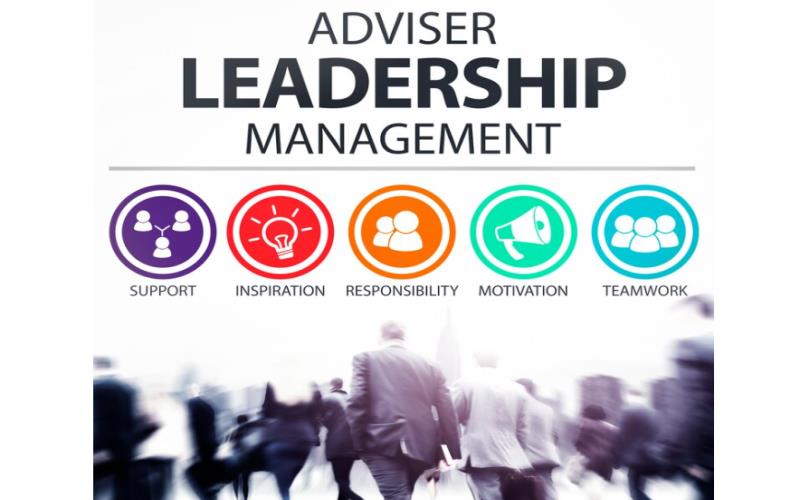
Introduction to Leadership Skills and Management Courses
Leadership skills are more than just buzzwords; they are essential tools that can transform individuals and organizations alike. Many professionals today turn to management courses to hone these invaluable abilities. These courses delve into the nuances of effective leadership, equipping learners with practical skills that extend far beyond textbooks.
Imagine navigating a challenging workplace scenario with confidence or rallying your team around a common vision. The insights gained from a well-structured leadership management course can make all the difference in such situations. In this blog post, we will explore real-world applications of these critical skills and how they shape successful leaders across various industries. Whether you’re aiming for personal growth or aspiring to lead others, understanding how to implement what you’ve learned is key to unlocking your potential as an influential leader.
Communication and Interpersonal Skills in the Workplace
Effective communication is the backbone of any successful organization. In a leadership management course, you learn how to convey ideas clearly and persuasively. This skill fosters collaboration among team members.
Interpersonal skills play a crucial role as well. Building rapport with colleagues encourages a positive work environment. When leaders actively listen and engage in meaningful conversations, trust develops naturally.
Moreover, understanding non-verbal cues can enhance interactions. A nod or smile often speaks volumes more than words alone. Leaders who recognize these subtle signals can better connect with their teams.
Conflict resolution also hinges on strong communication abilities. Addressing issues promptly and diplomatically prevents misunderstandings from escalating into major problems.
Mastering these skills not only boosts individual performance but elevates entire teams toward achieving common goals.
Decision Making and Problem Solving
Decision making is a core component of effective leadership. It involves analyzing information, weighing options, and choosing the best course of action. Skills cultivated in leadership management courses can significantly enhance this process.
Problem-solving goes hand in hand with decision making. Leaders often encounter unexpected challenges that require quick thinking and adaptability. The ability to assess situations calmly allows leaders to find innovative solutions.
Utilizing techniques learned in coursework, such as brainstorming or SWOT analysis, can streamline this process. These methods encourage diverse perspectives and foster creativity among team members.
Moreover, good leaders involve their teams in decisions when appropriate. This collaborative approach not only builds trust but also enhances collective problem-solving capabilities. Emphasizing transparency during decision-making creates an environment where everyone feels valued and heard.
Time Management and Delegation
Effective time management is a cornerstone of successful leadership. It allows leaders to prioritize tasks and focus on what truly matters. By mastering this skill, managers can navigate the demands of their roles with ease.
Delegation plays a vital role in enhancing productivity. Leaders who delegate effectively empower their teams while freeing up their own time for strategic thinking. This not only fosters trust but also encourages team members to develop new skills.
Understanding when and how to delegate tasks is essential. Not every task requires your direct involvement, and recognizing that can lead to more efficient workflows.
Time management tools, such as calendars and project management software, can further aid leaders in organizing their schedules. Prioritizing urgent versus important tasks helps maintain clarity amidst chaos.
Blending effective time management with smart delegation creates an environment where both leaders and teams thrive together.
Team Building and Motivation
Team building is more than just a group activity. It’s about fostering an environment where collaboration thrives. When team members trust each other, they communicate better and work towards common goals.
Motivation plays a crucial role in this dynamic. A motivated team pushes boundaries and achieves excellence together. Leaders who understand what drives their teams can create tailored strategies to enhance engagement.
Celebrating small wins can significantly boost morale. Recognition of individual contributions fosters a culture of appreciation, encouraging everyone to give their best effort.
Diverse teams bring unique perspectives that lead to innovative solutions. Embracing these differences creates richer discussions and stronger bonds among colleagues.
Creating opportunities for social interaction outside of work tasks helps build relationships too. These connections lay the groundwork for mutual support during challenging times. Engaging activities help break down barriers and spark creativity within the group.
Implementing Leadership Skills in Different Industries
Leadership skills gained from a leadership management course can be applied across various industries, showcasing their versatility.
In healthcare, effective communication is crucial for ensuring patient care and fostering teamwork among medical staff. Leaders facilitate open dialogues to enhance collaboration.
The tech industry thrives on innovation. Here, strong decision-making abilities allow leaders to navigate fast-paced environments and make informed choices that drive development.
In education, motivational skills play a pivotal role in inspiring students and nurturing teachers’ growth. A leader’s ability to create an encouraging atmosphere fosters learning.
Manufacturing relies heavily on time management and delegation. An efficient leader streamlines processes while empowering team members with responsibilities that match their strengths.
Even within non-profit organizations, leadership skills are essential for rallying volunteers around a mission and maximizing limited resources effectively.
This adaptability demonstrates the profound impact of quality leadership training across diverse fields.
Conclusion: The Importance of Continuous Learning and Development in Leadership
The journey of leadership is ongoing, and the skills learned in a leadership management course are just the beginning. Continuous learning and development play a vital role in refining these abilities. The world is constantly changing, and leaders must adapt to new challenges and environments.
Engaging in workshops, seminars, or additional courses can enhance your understanding of effective leadership strategies. Networking with other professionals provides fresh perspectives that enrich your own skill set.
Leaders should also seek feedback from their teams regularly. This practice fosters an environment of open communication and shows commitment to personal growth. Embracing mentorship opportunities allows for sharing experiences, which can be invaluable for both parties involved.
Investing time in self-improvement not only benefits individual careers but also enhances workplace culture. As you grow as a leader, so does your ability to inspire others towards achieving common goals.
Leadership isn’t just about managing tasks; it’s about leading people. Developing these essential skills will have lasting impacts on any organization—regardless of industry or size—and pave the way for future success.