
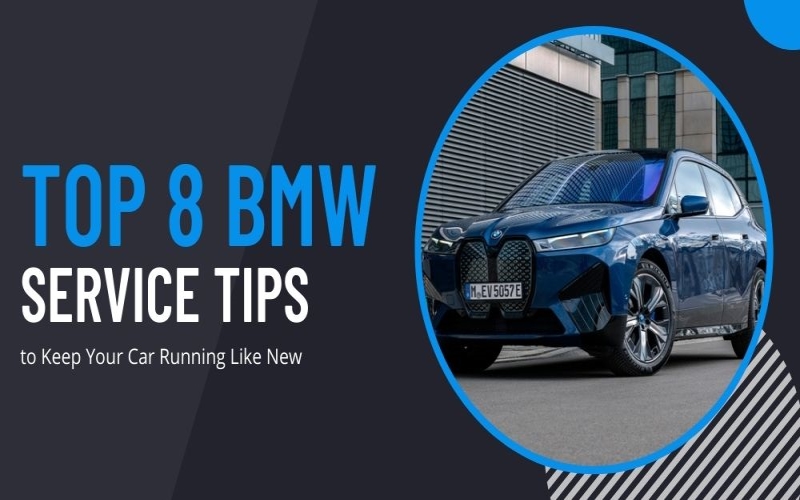
Owning a luxury car is a dream come true for many car enthusiasts. These luxury vehicles are known for their exceptional performance, sleek design, and cutting-edge technology. To ensure your car continues to deliver a thrilling driving experience for years to come, it’s crucial to prioritize regular maintenance.
Adhering to particular service guidelines can extend your car’s lifespan, improve performance, and prevent expensive repairs. Let’s explore the world of preventive maintenance and learn how to keep your vehicle in top condition.
Regular Oil Changes: The Lifeline of Your Engine
The oil in your car’s engine is a lubricant for moving parts, reduces friction, and prevents wear and tear. It also helps regulate the engine’s temperature. Changing the oil regularly is important to avoid potential engine damage, so follow the recommended service schedule.
- What type of oil should I use?
- BMWs require specific types of oil to ensure optimal performance and protection. Consult your owner’s manual or a certified technician for recommendations based on your car’s model and year.
- How often should I change my oil?
- The frequency of oil changes depends on various factors, including driving conditions, mileage, and the type of oil used. Refer to your owner’s manual or consult a service professional for personalized recommendations.
Tire Maintenance and Care: Ensuring a Smooth Ride
It is essential to maintain your tires properly to ensure safety, improve fuel efficiency, and optimize overall vehicle performance. Pay attention to tire pressure, alignment, and rotation to ensure your car handles smoothly and efficiently.
- How can I check my tire pressure?
- Use a tire pressure gauge to check your tires’ pressure when cold (not driven for at least three hours). Refer to your owner’s manual for the recommended pressure.
- When should I replace my tires?
- Make sure to check your tires often for any indications of wear, like uneven tread or bulges. It might be time to get new tires if you spot any abnormalities.
Brake System Upkeep: Safeguarding Your Stops
Regular brake inspections and maintenance can minimize the risk of brake failure and guarantee that your car can stop effectively.
- How can I tell if my brakes need attention?
- Consider warning signs such as squealing, grinding, or pulling to one side when braking. These could indicate brake wear or other issues.
- What are the benefits of using BMW-approved brake pads and fluids?
- Using genuine, approved brake components ensures optimal performance, safety, and compatibility with your vehicle. These components are specifically made to meet the demanding requirements of BMWs.
Battery Maintenance: Powering Your Drive
Your vehicle’s battery plays a crucial role in its overall performance. Proper battery maintenance can help prolong its life and avoid unforeseen malfunctions.
- How can I prolong my battery’s life?
- Avoid deep discharges, keep the battery clean and corrosion-free, and have it tested regularly. Consider using a battery tender during periods of extended storage.
- What are the signs of a failing battery?
- A weak or failing battery may cause your car to start slowly, have dim headlights, or experience electrical issues.
Fluid Levels Check: Keeping Your BMW Hydrated
Regularly checking and topping up your vehicle’s fluids is essential for preventing mechanical problems and ensuring optimal performance.
- Which fluids should I check?
- Critical fluids include coolant, transmission, brake, and power steering.
- How often should I replace these fluids?
- Refer to your owner’s manual or consult a service professional for replacement intervals.
Engine and Air Filter Replacement: Breathing Easy
Clean filters are crucial for maintaining your car’s engine performance and efficiency. Regularly inspect and replace your engine and air filters to ensure optimal airflow.
- How can I check if my filters need replacing?
- Look for signs of dirt, debris, or excessive wear. A dirty filter may restrict airflow and reduce engine power.
- How often should I replace my filters?
- The replacement frequency depends on driving conditions and usage. Consult your owner’s manual or a BMW technician for specific recommendations.
Adhering to the BMW Service Schedule: Preventive Maintenance at Its Finest
Following the BMW service schedule is a proactive approach to maintaining your car’s health and preventing costly repairs.
- What does the BMW service schedule include?
- The schedule outlines recommended maintenance tasks at specific mileage intervals or periods.
- Why is it important to follow the service schedule?
- Sticking to the timetable can assist in recognizing and resolving potential problems before they escalate, ultimately saving you time and money.
- Should I use an authorized BMW service center for maintenance?
- Yes, using authorized BMW service centers ensures your vehicle is serviced by professionals using genuine BMW parts and equipment.
Use of Genuine BMW Parts and Accessories: Preserving Your Investment
Investing in genuine parts and accessories is a wise decision that can preserve your car’s value and performance.
- Why should I choose OEM parts over aftermarket alternatives?
- Genuine parts are specifically made and tested to meet quality standards for optimal compatibility and reliability.
- How can using genuine parts benefit my vehicle’s warranty?
- Using OEM parts helps maintain your vehicle’s warranty coverage and protects your investment.
Keep Your Ride Revved and Ready!
Following these top eight service tips, you can keep your BMW running like new for years. Regular maintenance is a cost-effective way to enhance your car’s longevity, performance, and resale value. If you need a professional, look for an experienced BMW service in Houston.