
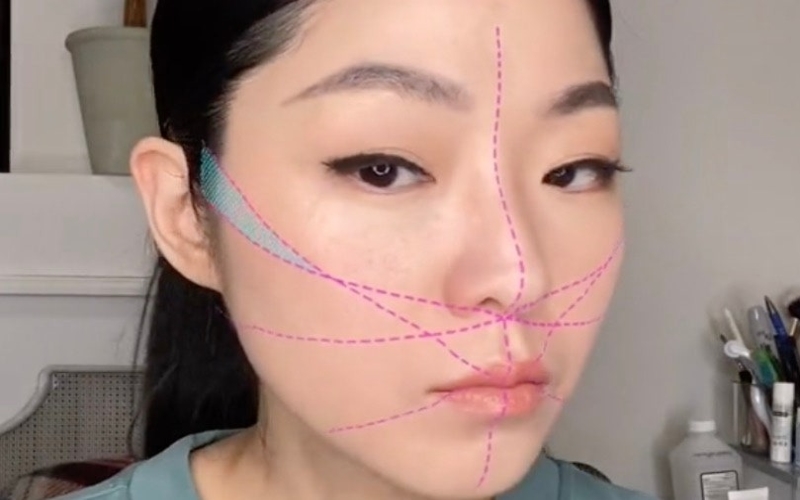
We’ve all been there: using filters to jazz up our selfies or smooth out those little imperfections we notice in the mirror. And really, who could blame us? Applying a filter nowadays is as easy as ABC! With just a tap, our blemishes are all gone and we’re ready for a red carpet event.
Face filters are not some luxury for Instagram influencers or TikTok stars anymore. They have long become an essential part of our digital lives. But have you ever thought about how these filters work? Today, let’s lift the veil of secrecy and explore the mystery together.
The Basics of Face Filters: What Are They?
Face filters work as a magician’s wand—they can transform you into a cute puppy or a famous celebrity, make your appearance even more flawless, or simply give you the chance to show your creative potential. But at their core, these filters fully rely on sophisticated algorithms that utilize computer vision—a technology that helps computers analyze and understand visual info from the nearby world. It’s like putting a pair of glasses on your device to improve its “eyesight”—it can finally see your face and identify its features.
Here’s how it generally works:
- Detection: When you open your camera, the filter software studies your face in real time, using facial recognition technology. It recognizes the key points on your face—like your eyes, nose, and mouth.
- Tracking: Now it’s time to study your face in movement. So, when you move your head and make some silly expression, the software understands it perfectly. It’s basically in total sync with you.
- Application: This stage is one of the most interesting. The software finally overlays a digital effect on your image. And voilà—you’re no longer just you but an enchanted version of yourself.
The Tech Behind It All
Developers put in a lot of effort to create face filters, making them as accurate and seamlessly applied as possible. And, of course, they rely on a variety of tools to help them achieve this. Here are just some of the technologies they might use:
- Augmented Reality (AR): This is part and parcel of face filters. By relying on AR or integrating some face AR SDK, they create apps that seamlessly overlay digital information onto the real world. For instance, if you’re using a filter that adds fun confetti effects, it will look like the confetti is actually falling around you, not just floating in a digital void.
- Machine Learning (ML): Now, you might be thinking, “That sounds great, but how does the software know what to do with my face?” This is where machine learning comes into play. Developers train the algorithms using vast datasets of different faces, teaching them to recognize various features and expressions. The more data the system processes, the better it becomes at accurately mapping filters to your face. Do you know what it means? Each time you use a face filter, you’re not just having fun; you’re also helping improve the technology!
- 3D Modeling: Many filters use 3D models to create realistic effects. For instance, if you want to wear a virtual pair of glasses, the filter needs to know how they would sit on your nose and how they would look when you turn your head. Developers create these models to ensure that the effects appear natural and follow your facial movements accurately. This way, the software calculates the 3D positions and applies the filter so that it looks like a natural part of your face, even when you’re laughing hysterically.
The Creative Side of Filters
Although the technical side is remarkable, it’s the creative element that makes face filters truly enchanting. Designers and artists are experimenting with new concepts all the time to surprise users with something fresh and impressive. Just remember those animal filters that add some floppy ears to our faces and tap into our love for pets, those beauty filters that give us that perfect glow, and those funny filters that remind us not to take life so seriously. All these have been developed by real people who understand the joy and connection that comes from playful creativity.
Plus, many social media platforms offer tools for users to create their own filters, like Spark AR Studio or Lens Studio. With them, you can try yourself in the shoes of a real designer, turning your wildest ideas into reality and adding your personal touch to the face filters world.
The Dark Side of Face Filters
However, as they say, “All that glitters is not gold.” Face filters can also lead to unrealistic beauty standards. Some people might get caught up in the allure of looking perfect, forgetting that the real magic lies in being authentically yourself. Filters are meant to be fun, not a necessity for self-worth.
So, while it’s delightful to dabble in the world of filters, it’s crucial to embrace your natural beauty. After all, there’s no filter for that fabulous smile or genuine laughter!