
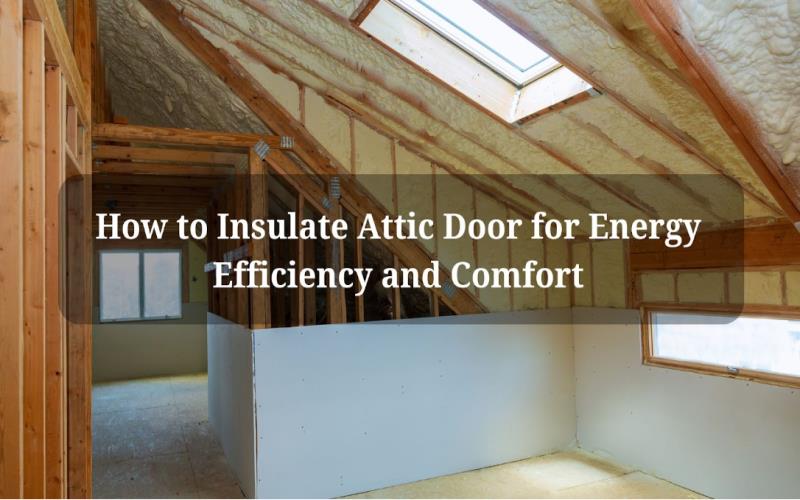
Wonder how to insulate the attic door for better energy savings and comfort? Many homeowners make a big mistake by overlooking this crucial area, but an uninsulated attic door definitely leads to heat loss and higher energy bills. Insulation helps maintain indoor temperature, reduces energy consumption, and comforts the people inside more. This guide will show how to insulate attic door effectively.
Why Insulate Your Attic Door?
Insulation around the attic door is vital for energy efficiency and comfort in your home. Following are several reasons why this project deserves your priority:
Energy Efficiency
Warm air during winter months escapes through an uninsulated attic door, which makes heating harder. During summer, hot attic air enters your home, which reduces the efficiency of air conditioning. Proper insulation of the attic door reduces heat loss in winter and heat gain in summer, hence cutting energy use and utility bills.
Increased Comfort
An uninsulated attic door can cause unbalanced temperature changes. This results in either cold drafts in winter or hot air during summer, and this will lead to a certain rate of discomfort in maintaining indoor temperature. Insulation of the attic door provides a consistent environment for comfort all year round.
Pest and Dust Management
Improperly sealed attic doors allow pests and dust to enter a home. Gaps around the frame allow insects and rodents in, while dust affects air quality. Keeping insects and dust out by insulating and sealing the attic door promotes a cleaner and much healthier home.
Sound Dampening
Insulation of an attic door can block noise in a loud neighborhood. It reduces the transmission of sound from the attic into the living areas and vice versa, thus cultivating a quiet home.
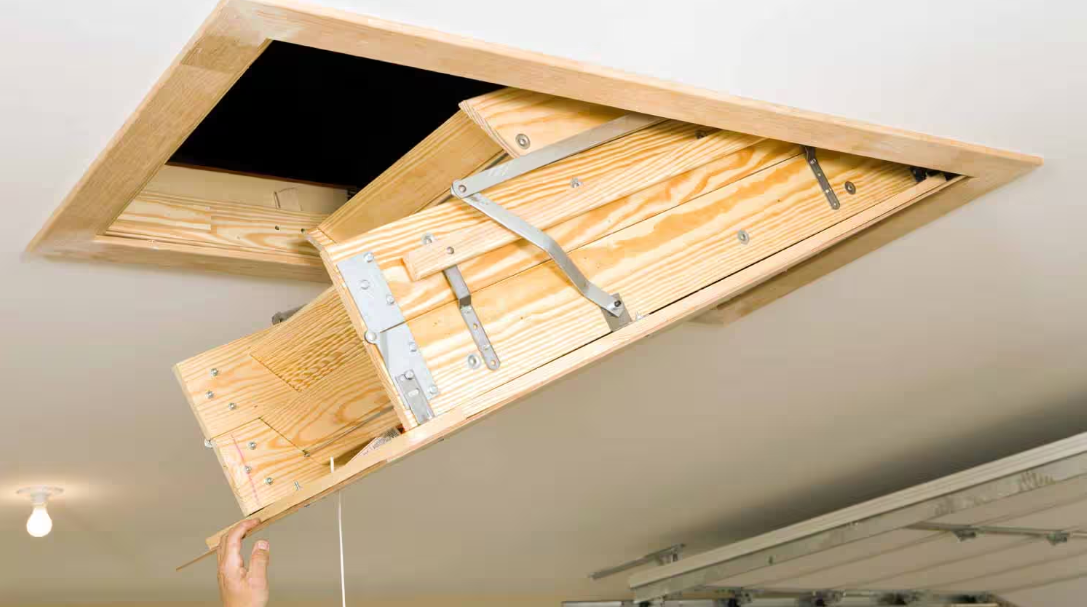
How to Insulate Attic Door: A Step-by-Step Guide
Now that you understand why it is important to insulate your attic door let’s go into the step-by-step details. It’s pretty easy to perform and is a DIY task; hence, it requires only a few basic tools and materials.
Check your attic door for its condition and gather the required materials
Check for any splits or other types of damage around the attic door, as it may take its toll on the insulation. After the evaluation, follow through with the below-mentioned materials:
- Weatherstripping
- Insulation- Rigid foam board or fiberglass
- Caulk or spray foam to seal gaps
- Utility knife, tape measure
- Adhesives or fasteners, depending on insulation material.
Fix the Door, Clean It
Clean the attic door and frame for a dust- and debris-free surface. Seal off any cracks or damage before insulating. A well-maintained door will ensure a tight seal and, therefore, effective insulation.
Weatherstrip around the door frame
Also very important in this regard is the sealing of the attic door. This can easily be done by putting weatherstripping on edges around a door frame to prevent air leakage, keeping both the conditioned air in your house and attic air out. First, however, weatherstripping has to be chosen suitable for material and size of the door.
Select appropriate insulation and install
Your most common options are going to be rigid foam board insulation versus fiberglass batt insulation. Each has its pros, so choose whichever fits and suits your needs and budget when installing an attic door kit.
Option 1: Rigid Foam Board Insulation
Rigid foam board insulation has the best R-values and is fairly easy to install: measure the attic door, cut to size, and glue on, or by other fastener, in such a manner as to completely cover the attic door to avoid any air leakage.
Option 2: Fiberglass Batt Insulation
For an attic door, fiberglass batt insulation will work. Cut to size, glue, or mechanically attach for a snug fit. The R-value isn’t as good as rigid foam, but it’s super cheap and does stop some heat transfer.
Option 3 : Reflective Insulation and DIY Attic Door Insulation Kits
Reflective insulation allows greater energy efficiency, mainly in the attic of a home. They reflect radiant heat rather than absorb it and find application in those locations that have extremely high temperatures during summer or winter seasons. Attic foil or reflective foam-core insulation might go a long way in those places due to heat reduction and comfort throughout the year.
DIY attic door kits have made this task really fast for house owners to add insulation to the attic doors. They contain some easy-to-set-up reflective insulation materials without any special tool needs. Sealing of the attic entry reduces air leakage and increases HVAC efficiency.
Installing an attic door kit with attic foil or reflective insulation will increase energy efficiency by a great amount, saving a great deal in heating and cooling costs.
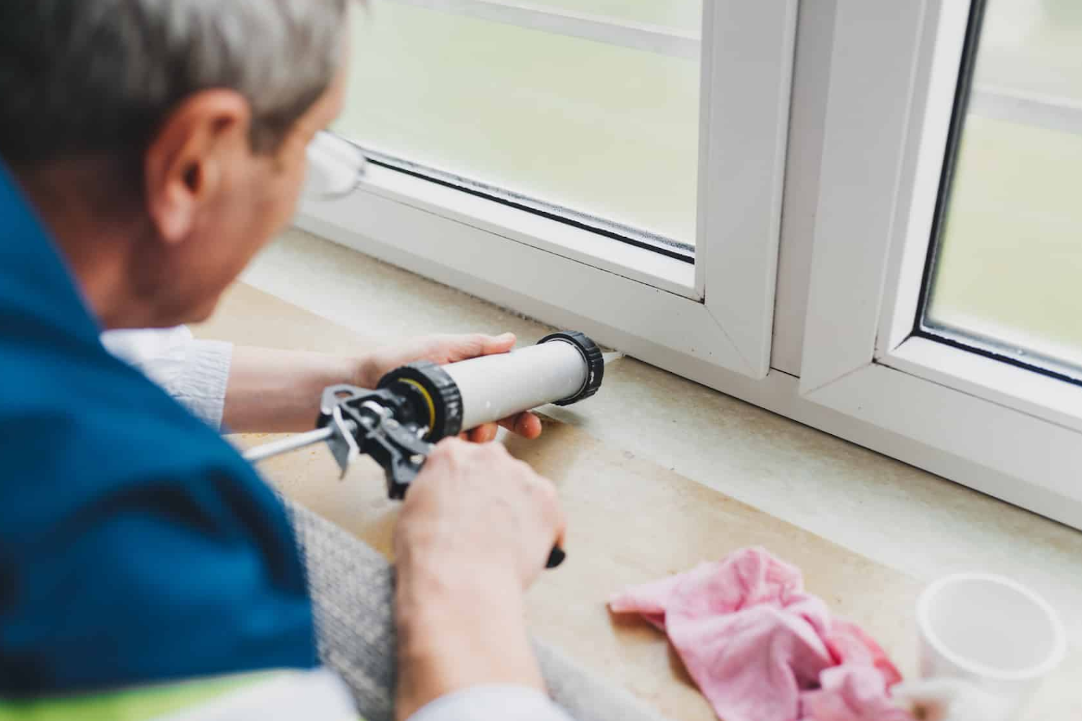
Seal Air-Leaking Door Gaps and Cracks with Caulk
After installing the insulation, seal off any gaps around the door with caulk or spray foam. This will increase general energy efficiency within your attic door insulation.
Adjust the door for proper fit and functioning
Finally, after the insulation and sealing, the attic access door’s operation should be easy; it has to be adjusted if that does not operate easily; it has to be easy to operate, but make sure it is tight in the insulation or in the weather strip.
Tips for Successful Attic Door Insulation
Following are some tips that will ensure the best insulation around an attic door.
- Select appropriate insulation material.
- Insulate around the attic access door and completely cover it. Poor installation and holes reduce its effectiveness.
- Maintain your insulated attic door regularly.
Conclusion
So that’s all for you to explore how to insulate attic door.
Insulation increases comfort and efficiency in the house, especially in the case of an attic door. This is because it reduces heat transfer, keeps pests and dust out, and minimizes the noise level within your house, hence increasing comfort as you enable yourself to save on energy bills.
Take it to the next level in improving energy efficiency in your home; do not give a second thought to insulating your attic door. For more expert advice, high-quality insulation products, and professional installation services, consider Insulation MarketPlace – one of the best insulation providers.