
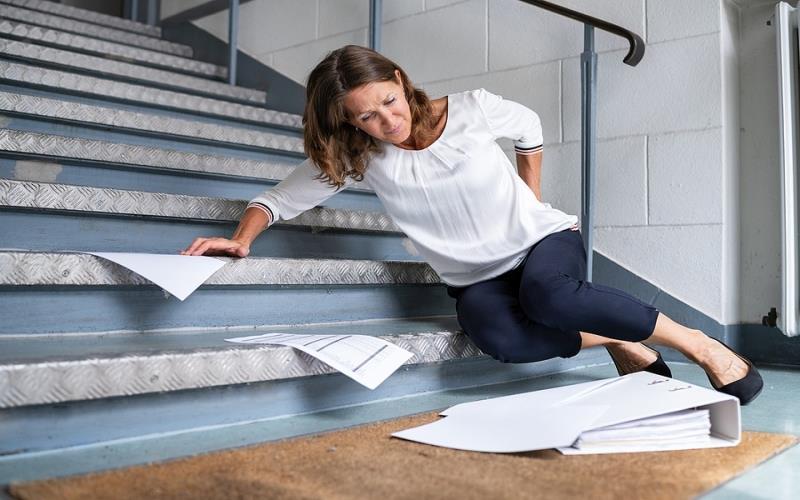
Falling down the stairs is a serious issue that affects individuals of all ages, regardless of their physical condition or environment. Such accidents can occur in a wide variety of settings, from private homes and workplaces to public buildings and communal areas. The consequences of stairway falls can range from minor cuts and bruises to severe and life-altering injuries. This makes it essential to understand the risks associated with stairways and to take appropriate preventive measures to ensure the safety of all who use them.
The Impact of Falling Down the Stairs
Stairway falls can result in a multitude of injuries, many of which can have long-term consequences for the individual. Below are some of the most common injuries sustained from stairway accidents:
- Fractures: Fractures, or broken bones, are one of the most frequent outcomes of falling down the stairs. Wrists, ankles, legs, and sometimes the spine are commonly affected. The severity of fractures can vary from simple hairline breaks to more complex injuries requiring surgical intervention and prolonged rehabilitation.
- Sprains and Strains: Falls that involve twisting or awkward landings can lead to painful sprains and strains. These injuries, particularly in the ankles and wrists, can cause swelling, bruising, and limited mobility. Although less severe than fractures, sprains and strains can still significantly disrupt daily activities.
- Head Injuries: Falling headfirst or striking the head during a stairway fall can result in concussions or even traumatic brain injuries. Depending on the severity, head injuries can lead to long-lasting cognitive and physical impairments. Immediate medical attention is essential for anyone who sustains a head injury in a fall.
- Cuts and Bruises: While cuts and bruises are generally considered minor, they can still be painful and may require medical treatment to avoid infection or other complications.
- Spinal Cord Injuries: In more severe falls, the impact on the spine can result in spinal cord injuries, potentially causing partial or complete paralysis. These life-changing injuries often require extensive medical treatment and rehabilitation.
The physical and emotional toll of such injuries is profound, and some individuals may struggle with mobility and independence long after the accident. Furthermore, the medical expenses and recovery time associated with stairway falls can be significant, highlighting the importance of stair safety.
Factors Contributing to Stairway Accidents
Stairway accidents are often the result of multiple factors, each of which can increase the likelihood of a fall. Identifying these factors and addressing them can significantly reduce the risk of accidents:
- Poor Lighting: One of the leading causes of stairway falls is inadequate lighting. When stairways are dimly lit, it becomes difficult to see each step clearly, increasing the chances of tripping or missing a step. Proper lighting is essential to ensure that all steps are visible, especially in areas that experience heavy foot traffic or are used frequently at night.
- Slippery Surfaces: Slippery stairs, whether due to water, ice, or other substances, can be extremely hazardous. Even a small amount of moisture can turn a seemingly safe stairway into a dangerous area. It is essential to regularly check for slippery surfaces and ensure they are cleaned or treated to reduce the risk of falls.
- Loose or Damaged Steps: Staircases that have loose or damaged steps pose a significant risk to anyone using them. A step that gives way underfoot or one that is uneven can cause a person to lose their balance, leading to a fall. Routine inspections and maintenance are crucial for identifying and addressing such hazards.
- Lack of Handrails: Handrails are an essential feature of any staircase, providing users with added support and stability. However, in some buildings, handrails may be missing, improperly installed, or insufficient in length. The absence of handrails can be particularly dangerous for individuals with mobility issues, the elderly, or those carrying heavy items.
- Inattention or Distraction: In many cases, individuals are distracted or in a rush when navigating stairs, increasing the risk of a fall. Using mobile devices, carrying heavy items, or simply not paying attention to where one is stepping can lead to a dangerous misstep.
Preventive Measures to Reduce Stairway Falls
Although stairway falls are common, many of these accidents can be prevented by implementing simple safety measures. Below are several strategies that can help reduce the risk of falls:
- Improve Lighting: Adequate lighting is one of the simplest and most effective ways to prevent falls. Ensure that stairways are well-lit with bright, even lighting. Consider installing motion-activated lights in areas that are infrequently used, which can provide illumination exactly when needed.
- Use Slip-Resistant Materials: Applying non-slip materials, such as anti-slip treads or coatings, to stairs can significantly reduce the chances of slipping. These materials are particularly useful in areas where moisture or other slippery substances are commonly present, such as outdoor stairs or kitchen areas.
- Regular Maintenance: Conducting routine inspections of staircases is crucial for identifying potential hazards. Ensure that all steps are securely in place, check for loose threads, and repair any damage immediately. Regular maintenance is especially important in public and commercial spaces where the volume of traffic increases the likelihood of wear and tear.
- Install Handrails: Installing sturdy, well-secured handrails on both sides of the staircase provides users with additional support and stability. Handrails should be installed at a comfortable height and extend beyond the top and bottom steps to ensure maximum safety. In public buildings, make sure that handrails meet local safety standards and regulations.
- Educate and Train: In workplaces and public spaces, providing education and training on stair safety can help reduce the number of falls. Encourage individuals to use handrails, take their time on stairs, and be cautious, particularly when navigating crowded areas or carrying heavy items.
- Keep Stairs Clear: Cluttered or obstructed stairways present a serious tripping hazard. Ensure that stairs are always free of objects, debris, or other items that could cause someone to trip or lose their balance.
Conclusion
Falling down the stairs is a significant concern, but many of these accidents can be avoided with the right preventive measures in place. By addressing common risk factors such as poor lighting, slippery surfaces, and inadequate handrails, and by conducting regular inspections and maintenance, it is possible to create safer environments both in residential and public spaces. Implementing these simple but effective strategies not only helps prevent injuries but also fosters a culture of safety and awareness.
Prioritizing stair safety is essential in any setting. Whether at home, in the workplace, or public buildings, ensuring that staircases are well-maintained, properly illuminated, and equipped with necessary safety features can make a significant difference in reducing falls and protecting individuals from harm. Contact the attorneys at Onward Accident & Injury Law today!