
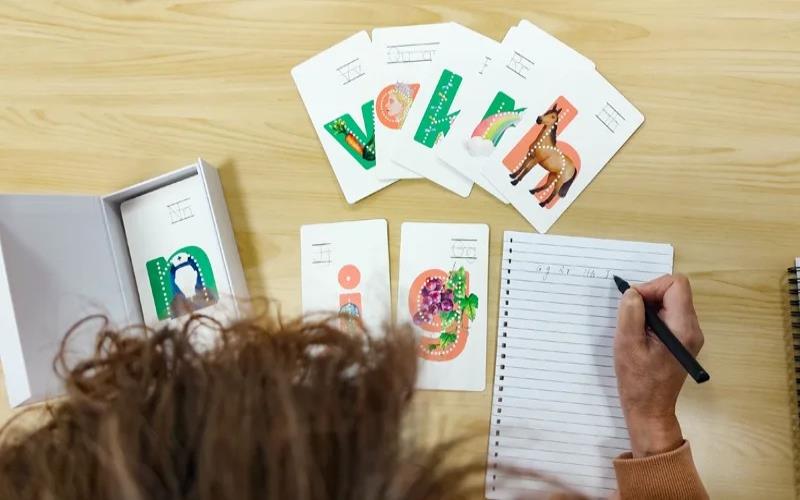
When it comes to learning new information quickly and efficiently, flashcards are one of the most effective tools available. From vocabulary to complex theories, flashcards can transform your study sessions into engaging and productive learning experiences. In this article, we’ll explore how flashcards work, why they are an essential tool for quick learning, and how to use them to maximize your study outcomes.
Why Flashcards are Effective for Quick Learning
Flashcards leverage the power of active recall, a cognitive process that involves retrieving information from memory. Unlike passive study methods, such as simply reading or highlighting notes, flashcards require you to actively recall the information before checking the answer. This process strengthens neural pathways and enhances memory retention.
Spaced Repetition: A Critical Component
A key aspect of flashcard effectiveness is spaced repetition. This technique involves reviewing flashcards at increasing intervals, which is designed to counteract the natural forgetting curve. By revisiting information at just the right time, spaced repetition helps move knowledge from short-term to long-term memory. This strategy allows you to retain information more efficiently, enabling quicker recall during exams, presentations, or real-life applications.
How to Create Effective Flashcards
Creating flashcards is more than just jotting down notes on index cards. To unlock quick learning, you need to design flashcards that effectively engage your memory and prompt active recall. Here’s how to create flashcards that boost your learning process:
1. Keep It Simple and Focused
- One Concept per Card: Each flashcard should focus on a single piece of information. Avoid cramming multiple facts or ideas onto one card, as this can lead to cognitive overload and hinder memory retention.
- Use Keywords: Write in short phrases or keywords that trigger a more detailed recollection. The simplicity of the content on flashcards allows for quick, efficient review and better active recall.
2. Utilize Visual Elements
- Incorporate Images: Adding visuals to your flashcards can significantly enhance memory retention. Diagrams, symbols, or even color-coding help to create a multi-sensory learning experience, which strengthens neural connections and makes information easier to recall.
3. Turn Facts into Questions
- Use Question-Answer Format: Structure your flashcards in a question-answer format to prompt active recall. For example, instead of writing, “The heart pumps blood,” you could write, “What organ pumps blood in the human body?” This format encourages your brain to retrieve information actively, rather than just passively recognizing facts.
4. Apply Real-Life Examples
- Add Context: Where possible, include examples or scenarios that apply the concept. Connecting the information to real-life contexts makes it more relevant and easier to remember. For instance, if you’re learning a new language, use flashcards with words in sentences rather than isolated vocabulary terms.
Using Flashcards Efficiently
Creating flashcards is only half the battle; using them effectively is crucial for unlocking quick learning. Incorporate the following strategies into your study sessions to make the most of your flashcards:
1. Implement Spaced Repetition
- Review at Optimal Intervals: Use spaced repetition by reviewing flashcards at gradually increasing intervals. Start with frequent reviews of new cards, then extend the intervals as you become more familiar with the material. This method optimizes memory retention and minimizes the need for cramming.
2. Shuffle Your Deck Regularly
- Prevent Memorizing Order: Regularly shuffle your flashcards to avoid memorizing the order of information rather than the content itself. This practice ensures that your learning is focused on understanding and recall, not on patterns.
3. Focus on Active Recall
- Self-Test Frequently: The essence of flashcards lies in testing yourself before flipping the card over. This active recall process is a key to strengthening memory. When you struggle to remember an answer, you reinforce neural connections, making the information more accessible in the future.
Noji Active Recall
To enhance your active recall practice, consider using the Noji app, which integrates active recall into its flashcard system. Noji active recall is designed to optimize the learning process by allowing you to create custom flashcards, track your progress, and apply spaced repetition techniques. By focusing on active recall, Noji helps embed information into your long-term memory more effectively.
Advanced Techniques for Flashcard Use
Once you’ve mastered the basics, you can incorporate advanced techniques to elevate your study sessions:
1. Use the Leitner System
The Leitner system is an organized way to use flashcards based on your level of knowledge. The cards are divided into several boxes. Cards you know well are reviewed less frequently, while those you find challenging are reviewed more often. This system ensures that you focus your efforts on areas that need improvement, optimizing your study time.
2. Test in Both Directions
- Bidirectional Testing: If your flashcards involve pairs, such as terms and definitions, practice recalling the information in both directions. For example, if one side has “Photosynthesis” and the other “Process by which plants convert light into energy,” practice flipping the card both ways. This bidirectional recall deepens understanding and makes retrieval more flexible.
3. Combine Audio and Visual Elements
- Multimedia Flashcards: If you’re using a digital flashcard tool, take advantage of multimedia features by incorporating audio clips, videos, or images. For language learners, for example, adding audio pronunciation to vocabulary cards provides a comprehensive learning experience. This approach enriches your study sessions, helping to embed information into your memory through multiple sensory channels.
Tips for Consistent Flashcard Use
1. Set Aside Regular Study Sessions
- Consistency is Key: Regular, short study sessions are more effective than infrequent, lengthy ones. Set aside specific times in your schedule for flashcard review, and stick to it. Consistent practice helps build strong memory pathways.
2. Prioritize Difficult Flashcards
- Focus on Challenges: As you review, identify the cards you find most difficult and prioritize them. Spend extra time on challenging concepts to ensure a thorough understanding and retention.
Conclusion
Flashcards are an incredible tool for unlocking quick learning and enhancing memory retention. By focusing on active recall, spaced repetition, and effective card creation, you can transform your study sessions into dynamic and productive experiences. Whether using traditional index cards or leveraging digital tools like Noji for active recall, the key is consistency and engagement. Incorporate these flashcard techniques into your routine to quickly master new information and keep it at your fingertips.